At Bistro 22 in Garden City Center, the phrase “house-made” is not a marketing line. Bacon, pulled pork, and cheddar cheese are all smoked on site, and understanding what that actually involves helps explain why several dishes on the menu taste noticeably different from versions found at restaurants that buy pre-smoked ingredients.
What “In-House Smoking” Really Means
Commercial kitchens have two basic options for smoked ingredients: buy them pre-smoked from a supplier, or smoke them on premises. Buying pre-smoked product is faster and more predictable, which is why most restaurants do it. Smoking in-house takes more time, more equipment, and more attention, but it gives a kitchen control over every variable, from the type of wood used to how long the product sits in the smoker.
That control matters because smoke flavor is not uniform. The wood used, the temperature of the smoker, and the length of exposure all shape the final result. A kitchen smoking its own bacon can adjust that profile to fit its menu, rather than being locked into whatever a supplier's standard product tastes like.
Where It Shows Up on the Menu
A few dishes make the effect especially clear. The Bistro 22 burger is built around smoked cheddar and applewood smoked bacon, both of which carry a deeper, rounder flavor than pre-packaged versions typically deliver. The BBQ pulled pork sandwich and the BBQ pulled pork flatbread both rely on pork that spends real time in a smoker before it ever gets sauced, which changes the texture as much as the taste. Smoke tends to firm up the exterior of the meat slightly while keeping the interior tender, a texture that is difficult to replicate with a pre-cooked, pre-smoked product that has already been through a packaging and reheating cycle.
Smoking Is Only Part of the Scratch-Kitchen Approach
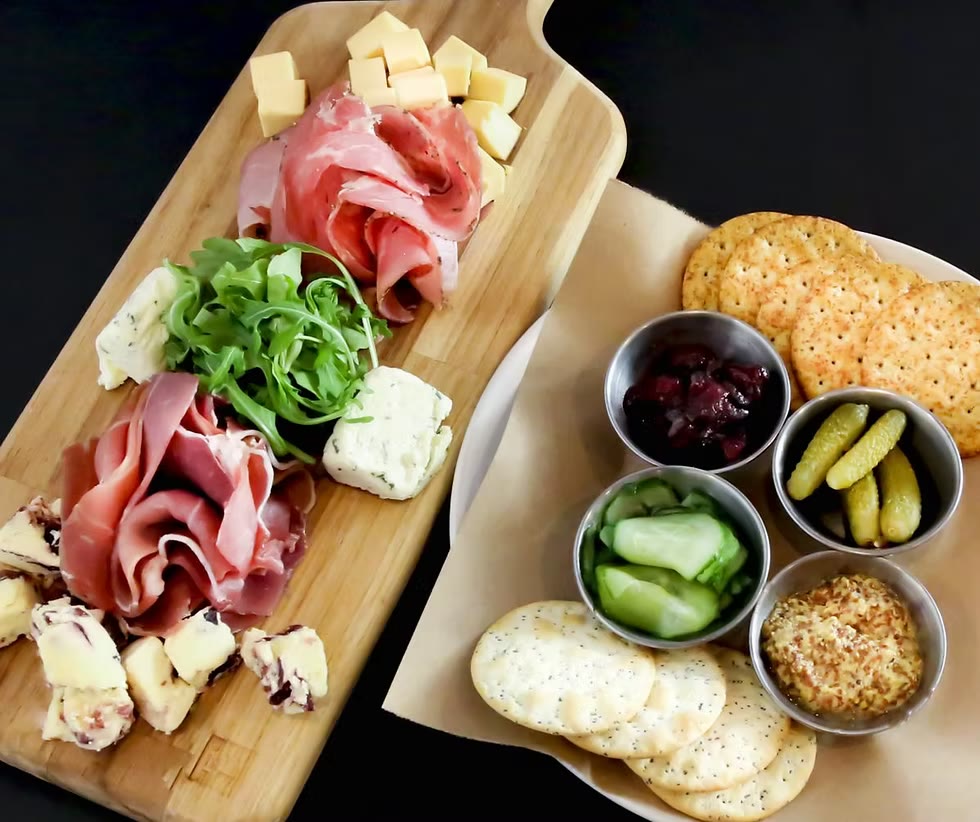
House-smoking at Bistro 22 sits alongside a broader commitment to making things from scratch rather than buying them ready-made. The kitchen also handles its own pickling, which shows up in the accoutrements served with the cheese and charcuterie board, and prepares its soups, sauces, dressings, and desserts in-house rather than sourcing them pre-made. The tomato bisque, for example, is built from scratch rather than reconstituted from a base, which is part of why it holds up as both a small and large portion on the snacks menu.
None of this is unusual for a high-end restaurant, but it is less common for a neighborhood bistro operating inside a shopping center. That gap between the setting and the level of kitchen effort is part of what has made Bistro 22 stand out in local dining coverage.
What to Order If You Want to Taste the Difference
For a first-time visit focused specifically on the house-smoking process, three dishes make a useful side-by-side comparison: the artisanal cheese and charcuterie board for two, which showcases the house pickling alongside cured meats; the Bistro 22 burger, which puts smoked cheddar and bacon front and center; and the BBQ pulled pork flatbread, which pairs the smoked pork with fried onion strings and more smoked cheddar for a concentrated version of the same flavor profile.
For current pricing and the full list of snacks, sandwiches, and entrees, see the full dine-in and takeout menu.