
The word “bistro” gets attached to a lot of restaurants that have little in common with each other. Bistro 22, in Cranston's Garden City Center, uses the term deliberately, and looking at what actually earns that label helps explain what to expect on a visit.
The Original Idea Behind a Bistro
Historically, a bistro referred to a small, casual restaurant, typically French, known for straightforward cooking, a limited but well-executed menu, and a comfortable, unpretentious atmosphere. It was the opposite of a formal dining room: a place built around consistency and familiarity rather than spectacle.
That framing still holds up as a useful test. A restaurant earns the bistro label less by decor and more by how it treats its regulars, how consistent the food is night to night, and whether the menu feels like it was built to be ordered from often, not just once.
How Bistro 22 Fits the Definition
A few things point to Bistro 22 taking the bistro concept seriously rather than using it as a decorative name. The menu draws on old family recipes, a detail that signals continuity rather than a menu redesigned every season to chase trends. Staple dishes, like the smoked cheddar burger and the tomato bisque, stay in steady rotation, which is exactly the kind of dependable presence that defines a neighborhood spot people return to.
The setting also matters. Garden City Center is a working shopping district, not a tourist destination, which means the restaurant's regular traffic is built from nearby residents rather than one-time visitors. A restaurant that survives on repeat local business has different incentives than one built around single visits, and it tends to show in the pricing, the pacing of service, and the willingness to keep both a full dinner menu and a more casual lunch and takeout menu running side by side.
Family-Friendly Without Losing Detail
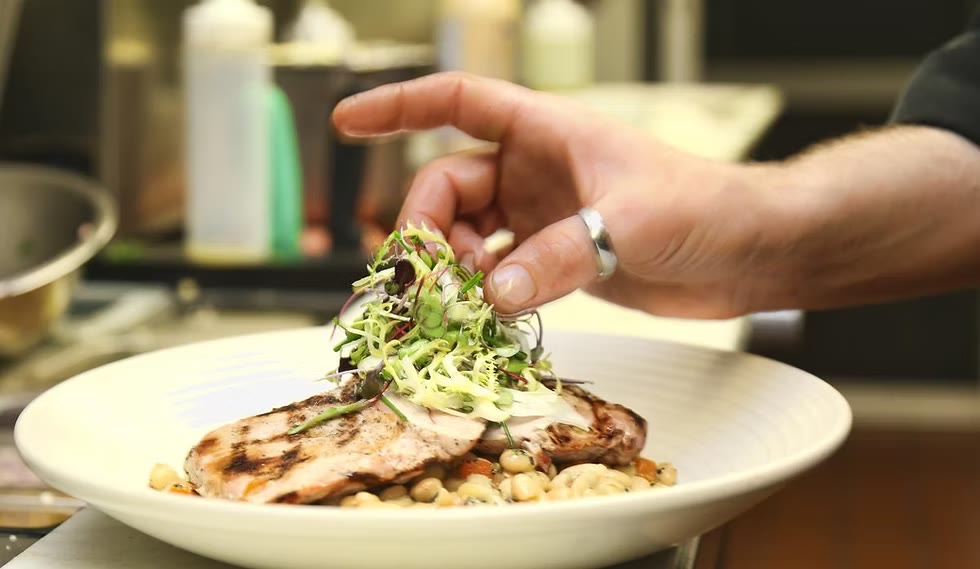
One tension a lot of casual restaurants struggle with is staying approachable for families while still doing more technical cooking behind the scenes. Bistro 22 handles that by keeping the dining room comfortable and the menu broad enough for different appetites and ages, while still running an in-house smoking program and a scratch kitchen that most casual, family-oriented restaurants skip.
Why the Label Is Worth Paying Attention To
None of this means every dish will be a revelation. What it does mean is that a restaurant calling itself a neighborhood bistro is making a specific promise: reliable food, a comfortable room, and a menu built for regular visits rather than a single special occasion. Judged against that standard, Bistro 22's combination of a scratch kitchen, old family recipes, and a genuinely local setting is a reasonably faithful match for the term.
To see how that plays out on the plate, browse the full dine-in and takeout menu or read more about the restaurant.